Crochet Baby Toys: A Complete Guide to Making Safe, Snuggly Handmade Gifts
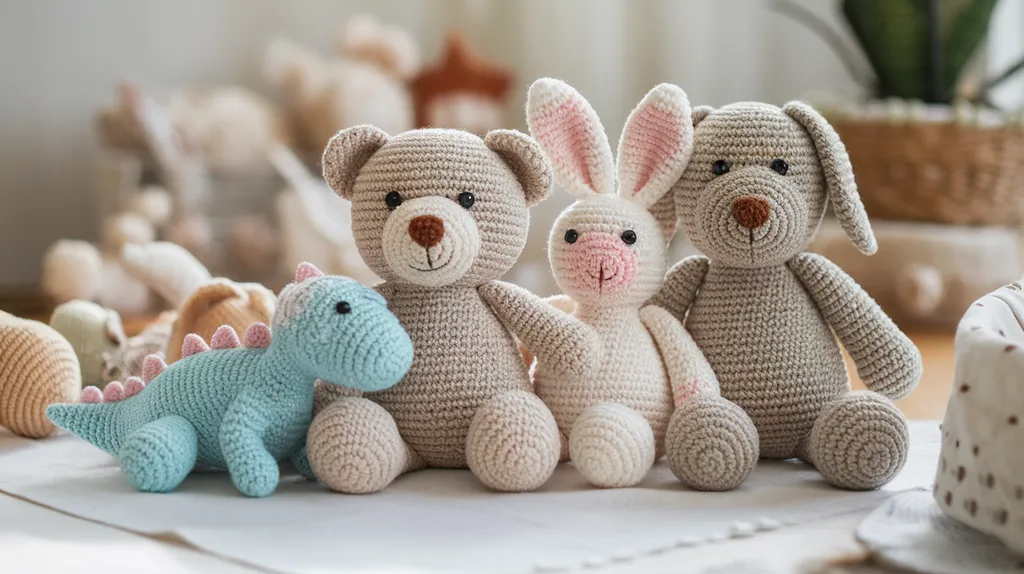
Crochet Baby Toys have a special charm that store-bought toys can’t quite match. They carry the time you put into making them, the colors you chose with care, and—if you’re creating one for someone you love—a little piece of you. But crochet baby toys aren’t just cute decorations. The best designs give little hands something to grip, shake, chew, or drag around the house for years to come. That makes thoughtful design and sturdy construction just as important as how adorable the finished toy looks in a photo.
This guide walks through the main categories of crochet baby toys, what makes each one work well, and how to choose (and make) one safely. If you’re putting together a full handmade baby gift, it pairs well with our guide to crochet baby gifts for ideas beyond just toys.
The Main Categories of Crochet Baby Toys
Rattles
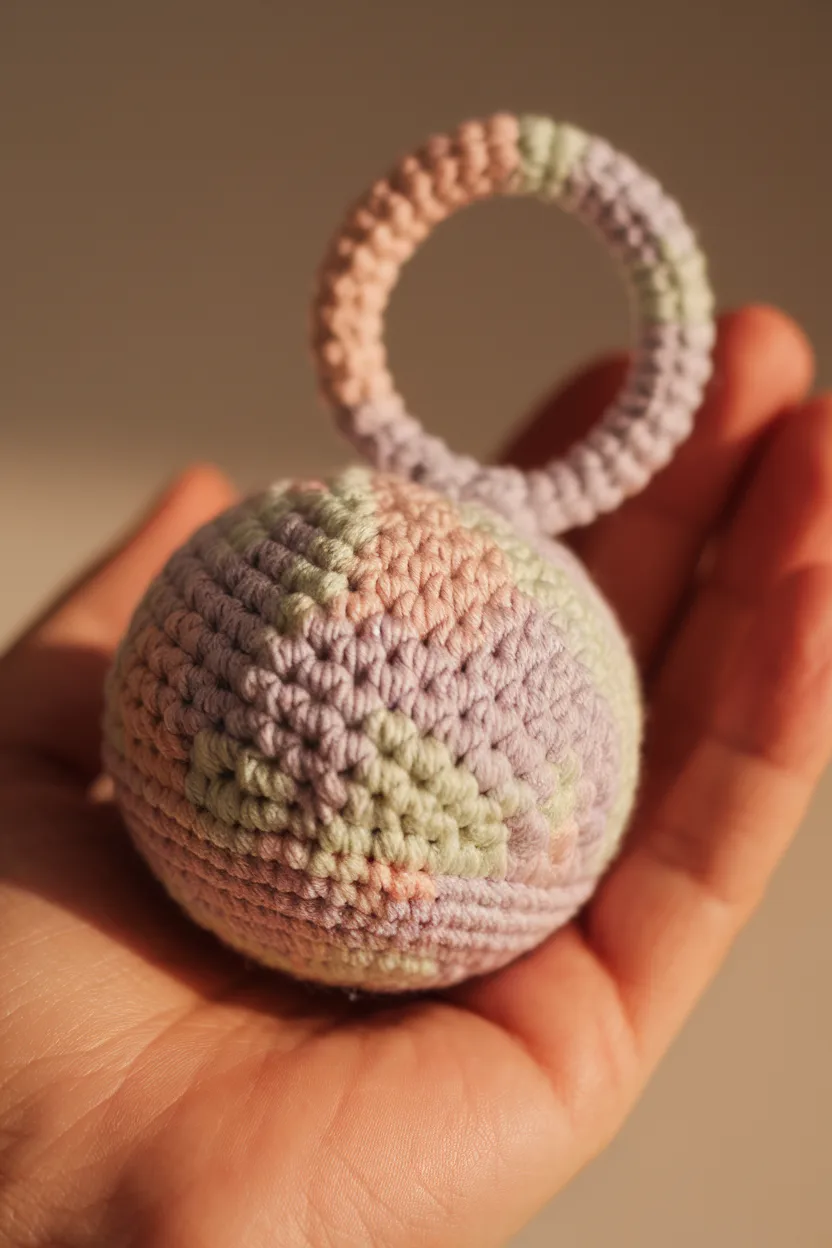
A rattle is usually the fastest project on this list and a great choice if you want a satisfying weekend make. The formula is simple: a stuffed shape — a ball, an animal head, a simple geometric form — with a rattle insert or plastic bell tucked inside the stuffing.
What makes a rattle good isn’t complexity, it’s grip. A shape with a defined handle or a size that fits comfortably in a baby’s fist will get used far more than an intricate design that’s technically impressive but awkward to hold.
Teethers
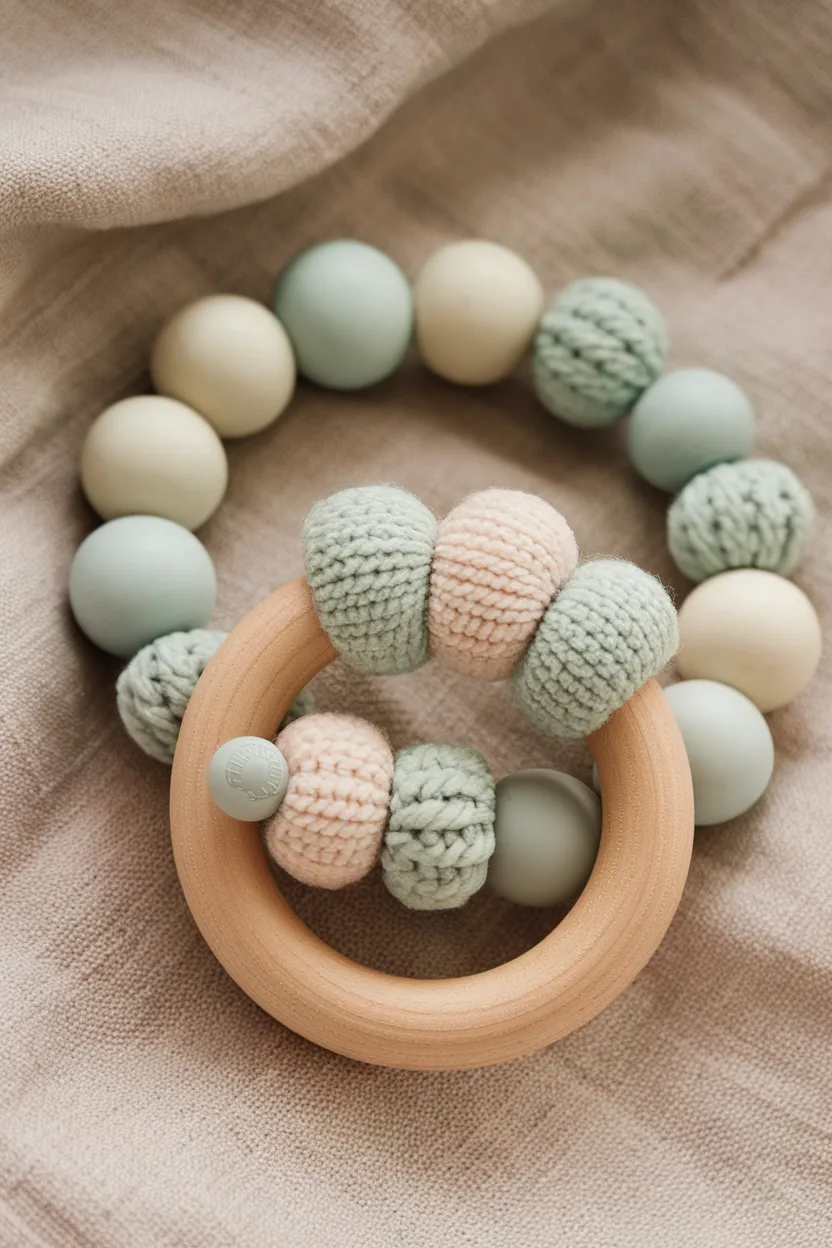
Teethers combine crochet with another material — usually a wooden or silicone ring — so gums have something firm to press against while the yarn adds texture and visual interest. Because these mix materials, they need the most careful assembly of anything on this list: every attachment point (ring to fabric, fabric to embellishment) is a place where things can eventually loosen.
Tag Toys
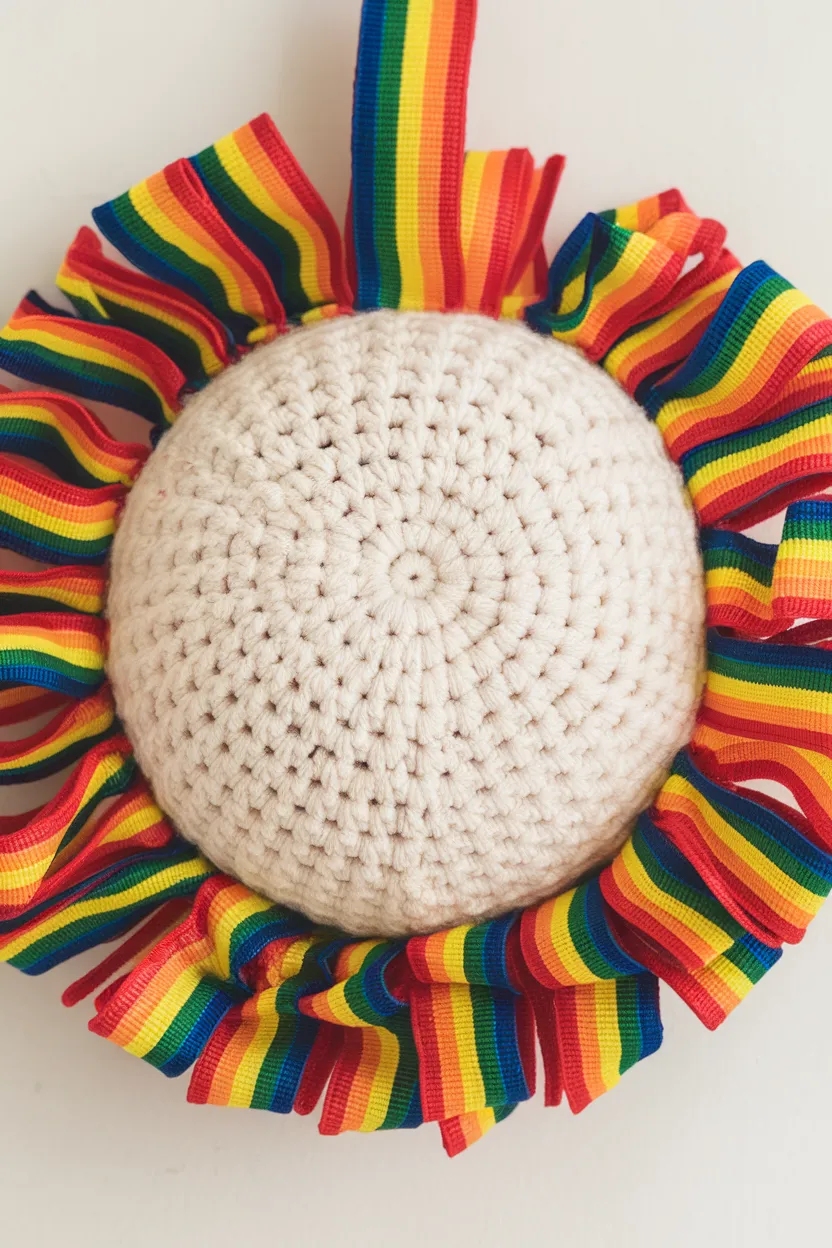
Some babies are far more interested in the tags sewn into their toys and blankets than the toy itself. Tag toys lean into that by building a small crocheted body or ring surrounded by ribbon loops. They’re compact, don’t require much yarn, and make an easy small gift — but like teethers, every ribbon needs to be sewn on securely, not just looped through a stitch.
Loveys
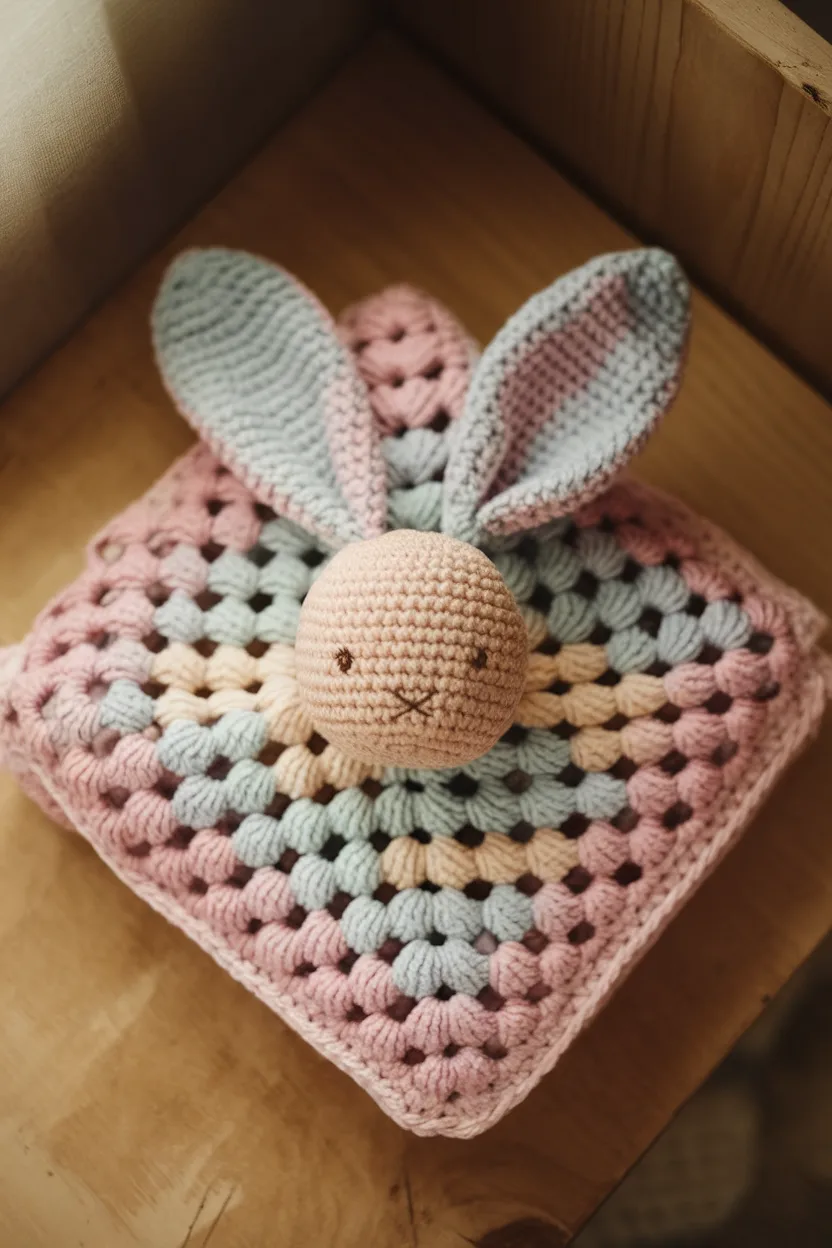
A lovey sits between a toy and a security blanket: a small flat piece (often a granny square or simple round) with a stuffed animal head attached to the center. They take more time than a rattle but give the recipient something with real staying power — loveys tend to become the toy a toddler won’t leave the house without.
Soft Play Animals
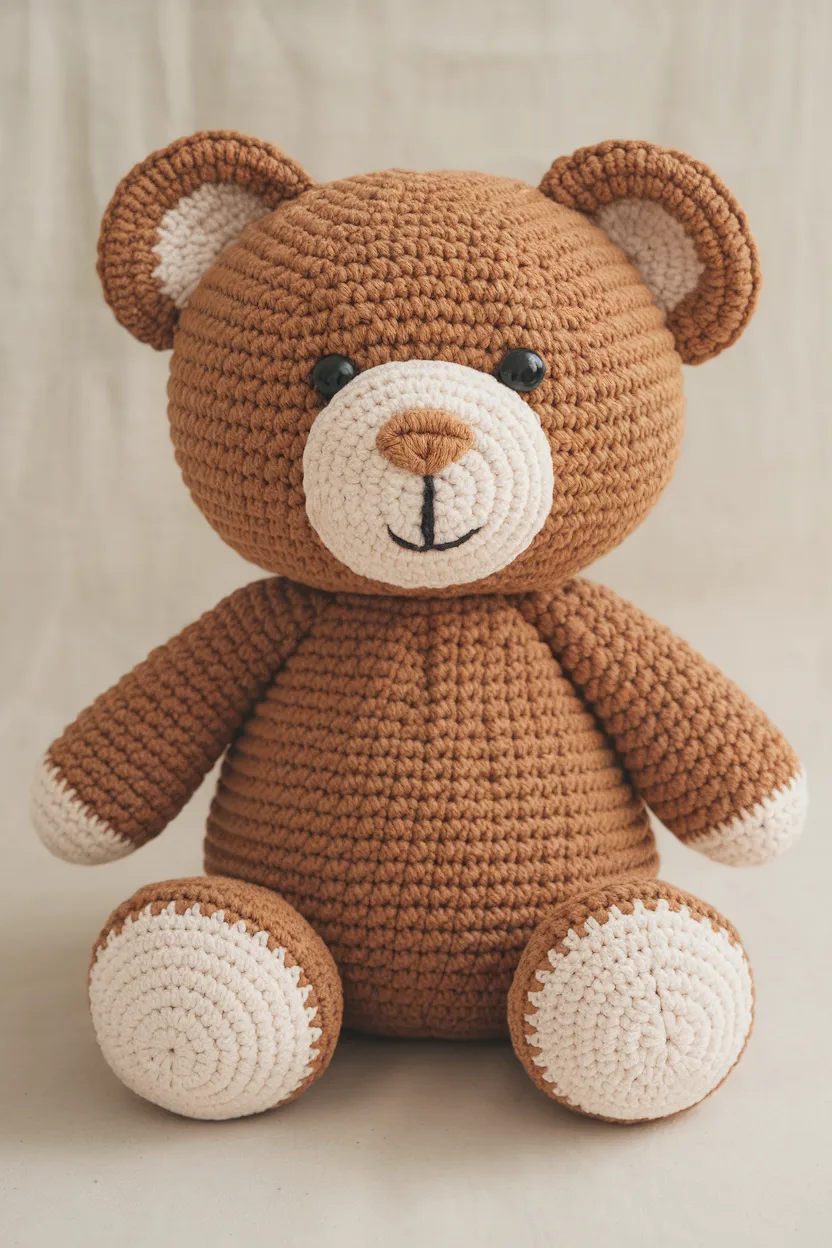
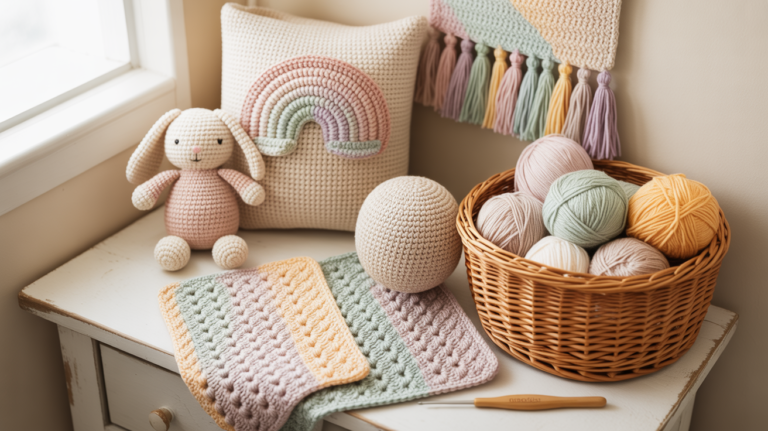
Classic amigurumi-style stuffed toys — bears, bunnies, hedgehogs, caterpillars — remain popular for a reason. They let you practice color work and shaping without committing to a garment, and a chunky, simplified animal shape (rather than one with lots of small separate pieces) tends to hold up best to a baby’s grip and, eventually, teeth. New to shaping stuffed animals? Our beginner’s guide to amigurumi covers the core techniques before you start.
How to Choose a Project
If you’re short on time: A simple rattle or a small tag toy is realistic to finish in a weekend, even for an intermediate crocheter.
If you want something with longevity: A lovey or a well-made amigurumi animal will get more years of use than a small rattle, which babies typically outgrow within the first year.
If you’re working from stash yarn: Small rattles and tag toys are the most forgiving of leftover, oddly-sized yarn amounts.
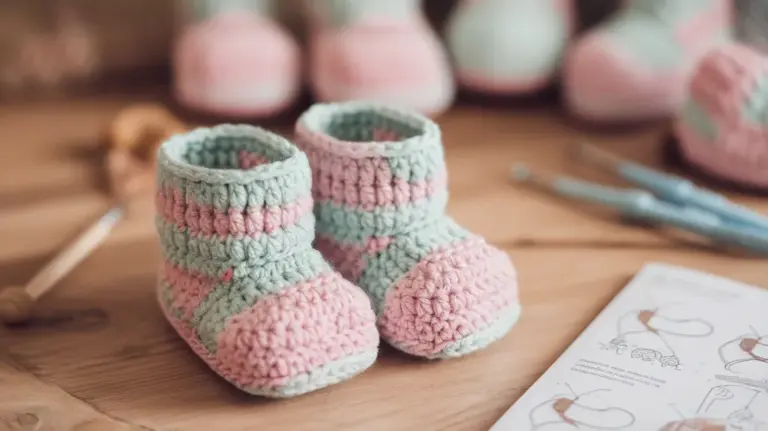
If you want to build a coordinated gift set: A rattle or small toy pairs naturally with a matching blanket or a set of booties, turning a single project into a more complete handmade gift.
Yarn and Hook Choices That Actually Matter
For baby toys, the yarn decision isn’t just about color — it affects safety and durability too. If you’re ever unsure how one yarn weight compares to another, the Craft Yarn Council’s standard yarn weight system is the industry reference most patterns are written against, and it’s useful for finding a safe substitute when your first choice is out of stock.
- Cotton or cotton-blend yarns are a common choice because they’re machine washable and hold their shape well, which matters for something that will be handled, dropped, and washed constantly.
- A tighter gauge than usual (going down a hook size or two from what the yarn label suggests) creates a denser fabric with smaller gaps — important for keeping stuffing and rattle inserts securely contained.
- Avoid loosely spun or fuzzy novelty yarns for the outer layer of any toy a baby will chew on; they shed fibers more easily.
- If you substitute a different yarn weight than the pattern calls for, expect the finished size to change along with it — a thicker yarn on the same stitch count makes a noticeably bigger toy.
For more on choosing fiber for baby items specifically, see our guide to baby-safe yarns.
Safety Isn’t Optional — It’s Part of the Pattern
Handmade toys don’t come with the same safety testing as commercially manufactured ones, which puts more responsibility on the maker. The U.S. Consumer Product Safety Commission maintains official small parts and choking hazard guidance that’s worth reading before you design anything for a child under 3 — it defines exactly what counts as a “small part” and why toys for that age group can’t include one. A few non-negotiables:
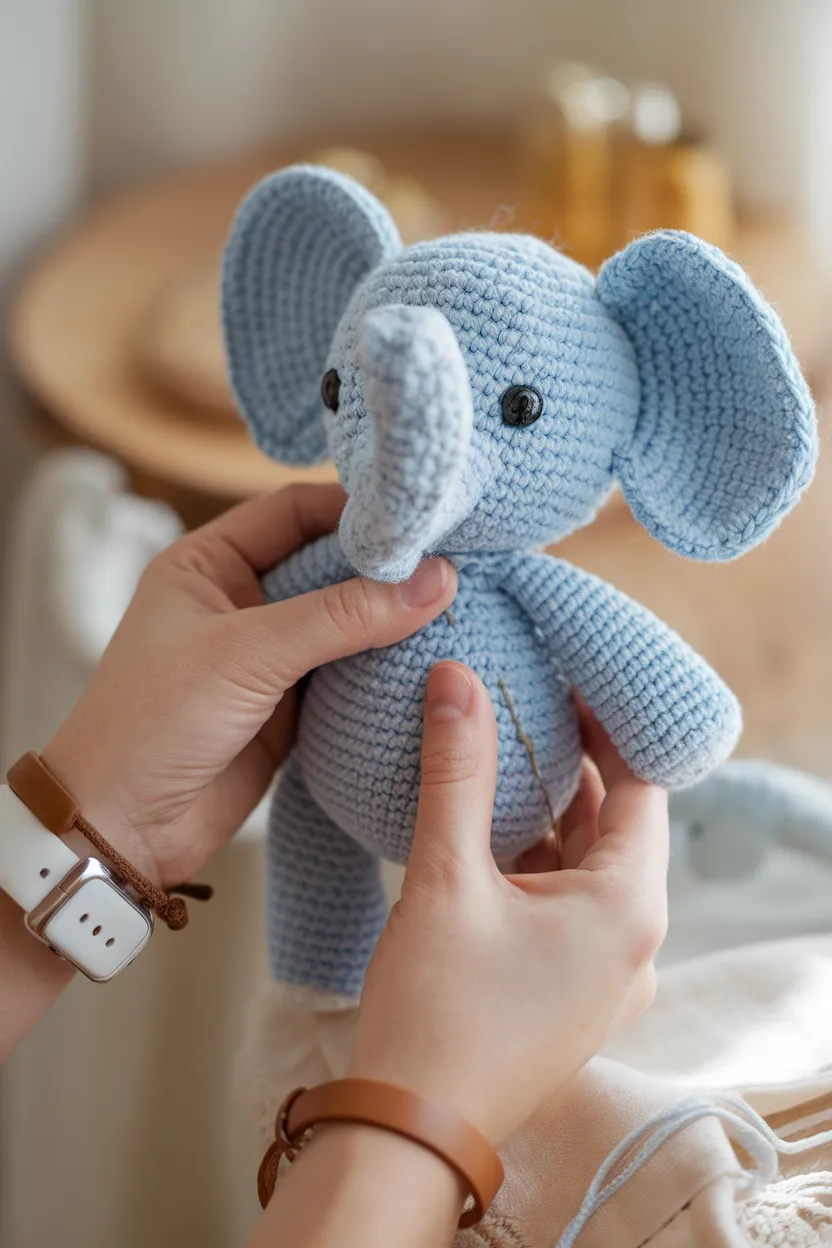
- Skip plastic safety eyes and small attached embellishments for very young babies. Embroider facial features with yarn instead, or use safety eyes only once a baby is past the mouthing stage and under supervision — check current guidance, as recommendations have shifted over the years.
- Weave in and secure every yarn tail. Loose ends are one of the easiest things for small fingers to catch and pull.
- Stuff firmly and close seams tightly. A gap in a seam is where stuffing — or a rattle insert — eventually escapes.
- Inspect regularly, not just at the end. A toy that gets daily use should be checked every few weeks for loosening stitches, fraying yarn, or embellishments starting to work free.
- Choose fiber content with washing in mind. A toy that can’t survive a hot wash and dry cycle is a toy that will eventually need to be thrown away rather than sanitized.
A Simple Framework for Picking Your Next Project
| If you want… | Choose… | Time investment |
|---|---|---|
| A quick, satisfying make | Basic rattle | A few hours to a weekend |
| Something with a mixed-material feel | Teether or tag toy | A weekend, plus careful assembly |
| A gift that lasts through toddlerhood | Lovey | Several evenings to a week |
| To practice amigurumi shaping and color work | Soft stuffed animal | A weekend to a week |
| A coordinated gift set | Rattle or small toy + matching blanket/booties | Depends on the set |
The Bottom Line
The best crochet baby toy isn’t necessarily the most elaborate one — it’s the one that’s sized right for a baby’s hands, built to survive being dropped, chewed, and washed repeatedly, and finished carefully enough that every attached piece stays attached. Start with a project that matches the time you actually have, pick yarn with durability in mind as much as color, and build in a habit of checking the toy over time. A simple, well-made rattle will get more genuine use — and last longer — than an intricate toy with a loose seam.
Looking to build out a full handmade gift? Browse our crochet baby blanket patterns and newborn booties patterns to put together a coordinated set.